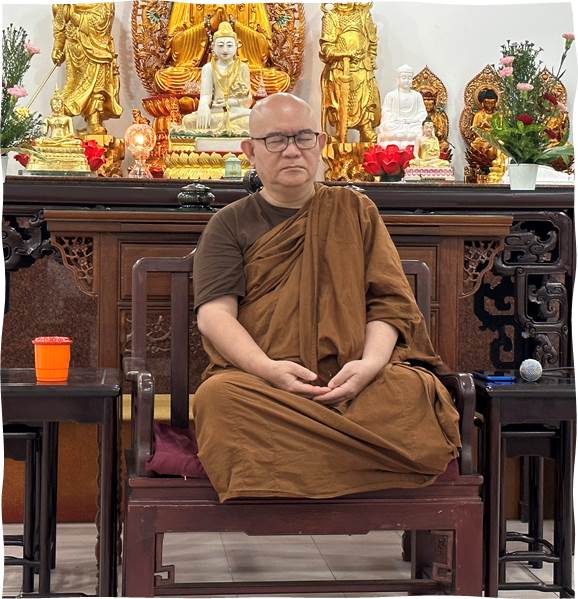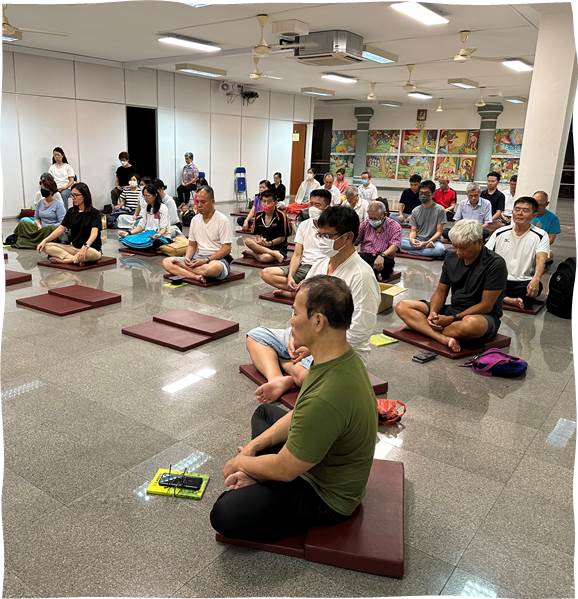

- 内观禅,也称为正念禅修,是一种永恒的练习,有可能改变我们的生活。 心法师是一位受人尊敬的精神导师,他不断强调禅作为启蒙和净化心灵之路的重要性。令人振奋的是,CTBE已经认识到这种修行的重要性,并定期举办集体禅课程,每周最多三次。
- 内观禅修在现代佛教徒中的受欢迎程度正在稳步增长,吸引了各个年龄段的人们,他们准备踏上自我发现和内心平静的旅程。这种做法具有巨大的好处,其功效已被科学证明。通过持续的正念练习,我们可以在自己的生活中亲眼目睹这些好处。
- 通过内观禅,我们培养对当下时刻的深刻认识。通过不加判断地观察我们的呼吸、身体感觉和思想,我们会形成一种不反应、富有同情心的心态。这种高度的意识使我们能够摆脱思想的不断喋喋不休和使我们陷入痛苦循环的习惯模式。
- 当我们更加了解自己的内在体验时,我们就会深入了解生命的无常本质和万事万物的相互联系。这种理解带来了智慧的觉醒以及与我们周围世界的深刻的相互联系。因此,我们培养了巧妙应对生活起起落落的能力,平静地拥抱快乐和挑战。
- 内观禅修不是一个快速解决问题的方法;它需要奉献精神和耐心。然而,它提供的回报是巨大的。通过致力于这种实践,我们踏上了通往自我发现、内心平静和最终解放的旅程。让我们全心全意地拥抱内观禅修,体验它给我们的生活带来的深刻转变。
- Vipassana meditation, also known as insight meditation, is a timeless practice that has the potential to transform our lives. Ven. Bhante Raja Maha Thero, a revered spiritual teacher, continually emphasizes the importance of meditation as the path to enlightenment and the purification of our minds. It is heartening to see that Chinese Theravada Buddhist Education has recognized the significance of this practice and is conducting regular group meditation sessions, up to three times a week.
- The popularity of vipassana meditation among modern Buddhists is growing steadily, attracting people of all ages who are ready to embark on a journey of self-discovery and inner peace. This practice holds tremendous benefits, and its efficacy has been proven scientifically. With consistent mindfulness practice, we can witness these benefits firsthand in our own lives.
- Through vipassana meditation, we cultivate a profound awareness of the present moment. By observing our breath, bodily sensations, and thoughts without judgment, we develop a non-reactive and compassionate mindset. This heightened awareness allows us to break free from the incessant chatter of our minds and the habitual patterns that keep us trapped in cycles of suffering.
- As we become more attuned to our internal experiences, we gain insights into the impermanent nature of life and the interconnection of all things. This understanding brings about an awakening of wisdom and a deep sense of interconnectedness with the world around us. Consequently, we develop the ability to respond skillfully to the ups and downs of life, embracing both joy and challenges with equanimity.
- Vipassana meditation is not a quick fix; it requires dedication and patience. However, the rewards it offers are immense. By committing ourselves to this practice, we embark on a journey that leads to self-discovery, inner peace, and ultimate liberation. Let us embrace vipassana meditation wholeheartedly and experience the profound transformation it brings to our lives.

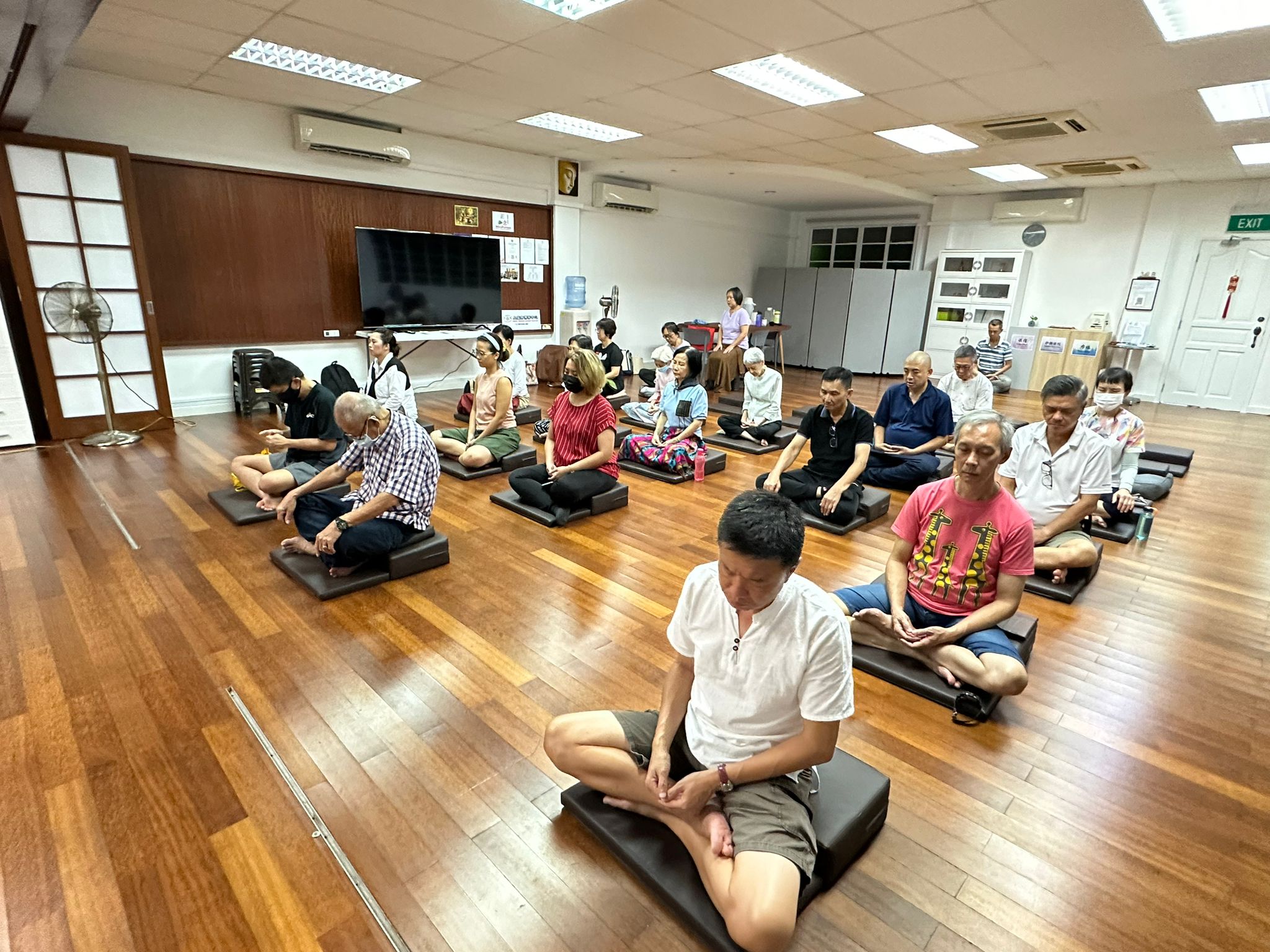

什么是内观禅修?
- 内观禅修,也称为正念禅修,是佛教禅修的一种形式,专注于观察和理解现实的本质。它是最古老的禅修形式之一,佛教僧侣和修行者已经练习了数千年。近年来,内观禅修在现代佛教徒和寻求精神成长或头脑清晰的个人中越来越受欢迎。
- 内观禅修的核心是正念练习。正念意味着全神贯注并意识到每个时刻,不带任何判断或依恋。它需要以一种不反应和富有同情心的态度关注自己内心产生的感觉、想法和情绪。这种增强的意识使练习者能够深入了解现实的无常和不断变化的本质。
- 科学研究表明内观禅修对身心健康有巨大的好处。大量研究表明,定期练习内观禅修可以减轻压力,减少焦虑和抑郁症状,提高认知能力,增强情商,并促进整体心理健康。这些发现促进了内观禅修在各行各业中越来越受欢迎。
- 内观禅修的主要好处之一是它能够培养洞察力和智慧。通过观察感受、思想和情绪的生灭,修行者可以直接体验一切现象的无常、苦和无我。这种洞察力使个人能够摆脱导致生活痛苦和不满的执着、厌恶和妄想。通过修习内观禅修,人们可以深入了解存在的真实本质,并从生死轮回中获得解脱。
- 内观禅修的另一个重要方面是它净化心灵的作用。通过以觉知和平静的态度观察内心,修行者可以意识到自己的心理模式、习惯和制约。他们能够识别并放下负面的想法、情绪和信念,培养远离烦恼和烦恼的心。这种心灵的净化不仅会带来更大的平静和幸福,而且还为发展更高的精神状态(如慈、悲、喜、舍)铺平道路。
- 内观禅修通常在安静的静修环境中进行,参与者会花几天甚至几周的时间进行密集的禅修练习。在这些静修期间,鼓励个人保持高尚的沉默并避免不必要的互动,以便深度沉浸在练习中。这种密集的练习有助于加深一个人的注意力、正念和洞察力,提供变革性的体验和对现实感知的深刻转变。虽然内观禅修起源于佛教,但它并不局限于佛教徒或宗教修行者。任何愿意培养正念、洞察力和心灵净化的人都可以参加此练习。事实上,许多来自不同宗教和文化背景的人都接受内观禅修作为个人成长、自我发现和精神发展的一种手段。
- 总之,内观禅修是一种强大的练习,它为寻求个人成长、头脑清晰和精神发展的个人提供了许多好处。它对正念、洞察力和心灵净化的强调已经被科学证明,并且可以通过勤奋的练习来体验。无论一个人是否是佛教徒,修习内观禅修都可以给一个人的生活带来深刻的改变,带来更大的快乐、平静和从痛苦中解脱。
WHAT IS VIPASSANA MEDITATION?
- Vipassana meditation, also known as insight meditation, is a form of Buddhist meditation that focuses on observing and understanding the nature of reality. It is one of the oldest forms of meditation and has been practiced for thousands of years by Buddhist monks and practitioners. In recent years, Vipassana meditation has gained popularity among modern Buddhists and individuals seeking spiritual growth or mental clarity.
- At the core of Vipassana meditation is the practice of mindfulness. Mindfulness involves being fully present and aware of each moment without judgment or attachment. It requires paying attention to the sensations, thoughts, and emotions that arise within oneself, with a non-reactive and compassionate attitude. This heightened awareness allows practitioners to develop a deep understanding of the impermanent and ever-changing nature of reality.
- Scientific research has shown the tremendous benefits of Vipassana meditation on mental and physical well-being. Numerous studies have demonstrated that regular practice of Vipassana meditation can reduce stress, decrease symptoms of anxiety and depression, improve cognitive abilities, enhance emotional intelligence, and promote overall psychological health. These findings have contributed to the increasing popularity of Vipassana meditation among individuals from all walks of life.
- One of the key benefits of Vipassana meditation is its ability to cultivate insight and wisdom. By observing the arising and passing of sensations, thoughts, and emotions, practitioners gain a direct experience of the impermanence, unsatisfactoriness, and selflessness of all phenomena. This insight allows individuals to break free from the attachments, aversions, and delusions that cause suffering and dissatisfaction in life. Through the practice of Vipassana meditation, one can develop a deep understanding of the true nature of existence and attain liberation from the cycle of birth and death.
- Another important aspect of Vipassana meditation is its role in purifying the mind. By observing the mind with awareness and equanimity, practitioners become aware of their mental patterns, habits, and conditioning. They are able to identify and let go of negative thoughts, emotions, and beliefs, cultivating a mind that is free from afflictions and defilements. This purification of the mind not only leads to greater peace and happiness, but it also paves the way for the development of higher mental states such as love, compassion, joy, and equanimity.
- Vipassana meditation is often practiced in a silent retreat setting, where participants dedicate days or even weeks to intensive meditation practice. During these retreats, individuals are encouraged to maintain noble silence and abstain from unnecessary interaction, allowing for a deep immersion in the practice. This intensive practice helps to deepen one’s concentration, mindfulness, and insight, providing a transformative experience and a profound shift in one’s perception of reality. Although Vipassana meditation has its roots in Buddhism, it is not limited to Buddhists or religious practitioners. The practice is open to anyone who is willing to cultivate mindfulness, insight, and mental purification. In fact, many individuals from various religious and cultural backgrounds have embraced Vipassana meditation as a means of personal growth, self-discovery, and spiritual development.
- In conclusion, Vipassana meditation is a powerful practice that offers numerous benefits to individuals seeking personal growth, mental clarity, and spiritual development. Its emphasis on mindfulness, insight, and mental purification has been proven scientifically and can be experienced through diligent practice. Whether one is a Buddhist or not, the practice of Vipassana meditation can bring about profound changes in one’s life, leading to greater happiness, peace, and liberation from suffering.